

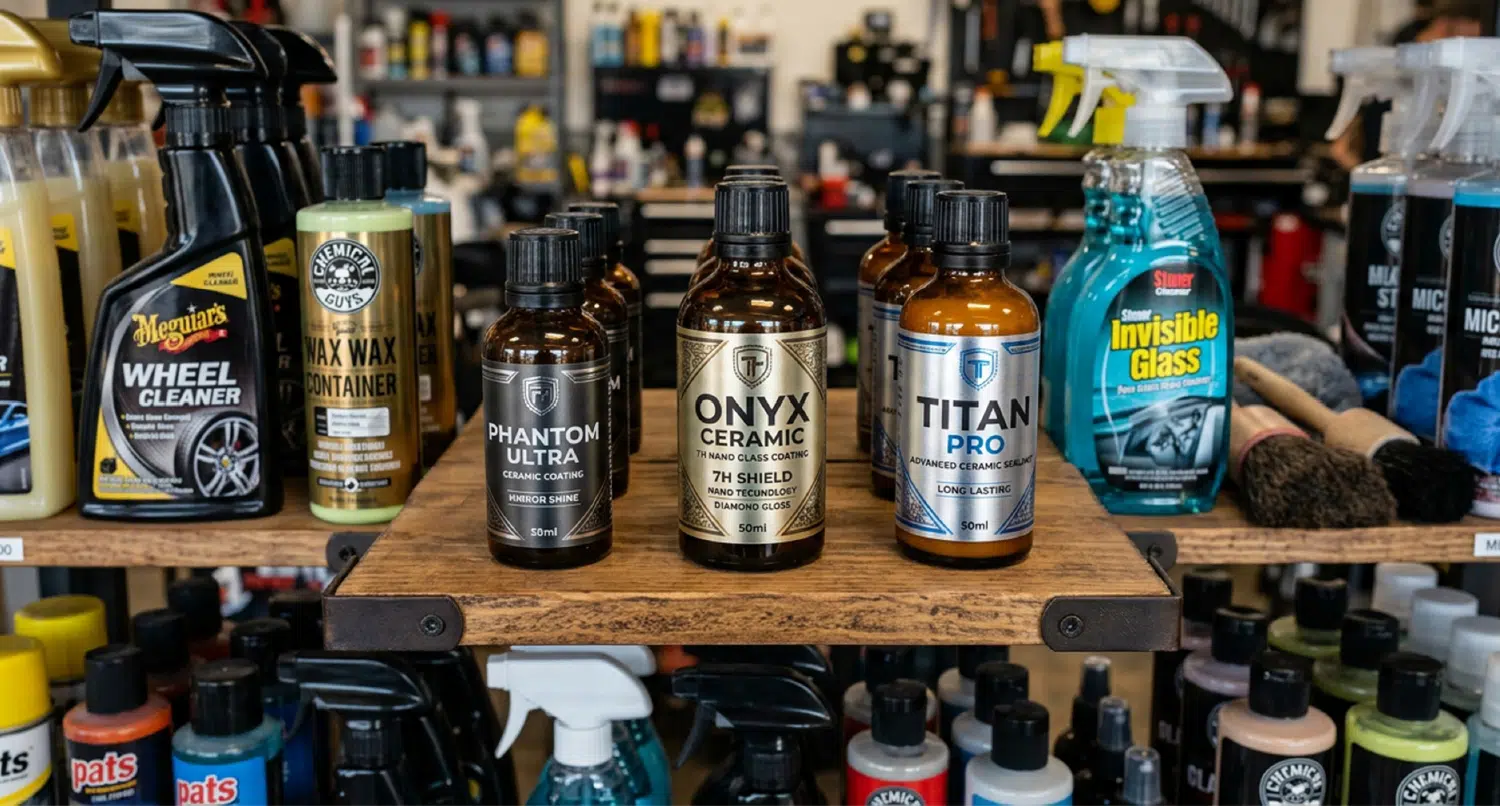
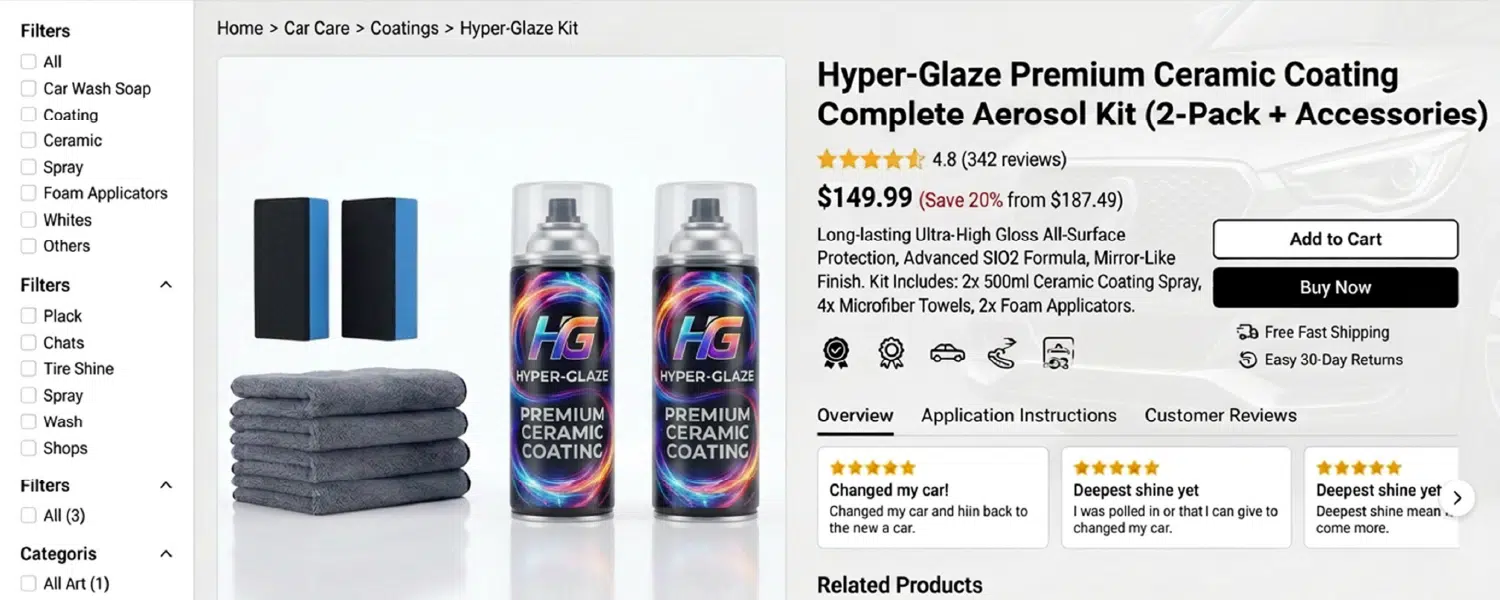
For automotive appearance and detailing brands, premium ceramic coatings present a packaging challenge. The product promises results customers cannot judge until after use, such as deeper gloss, water beading, surface protection, and a professionally finished appearance. Before buyers can experience those results, the packaging must press the case, making the product appear credible, differentiated, and worth its premium price.
High-gloss finishes, sharp photography, saturated color, and clean typography can reflect the shine and performance buyers expect from a ceramic coating.
Whether the product is displayed on a retail shelf, in a detailing shop, or online, the label helps distinguish a premium product from competitive waxes, sprays, sealants, and other surface-care products in similar containers.
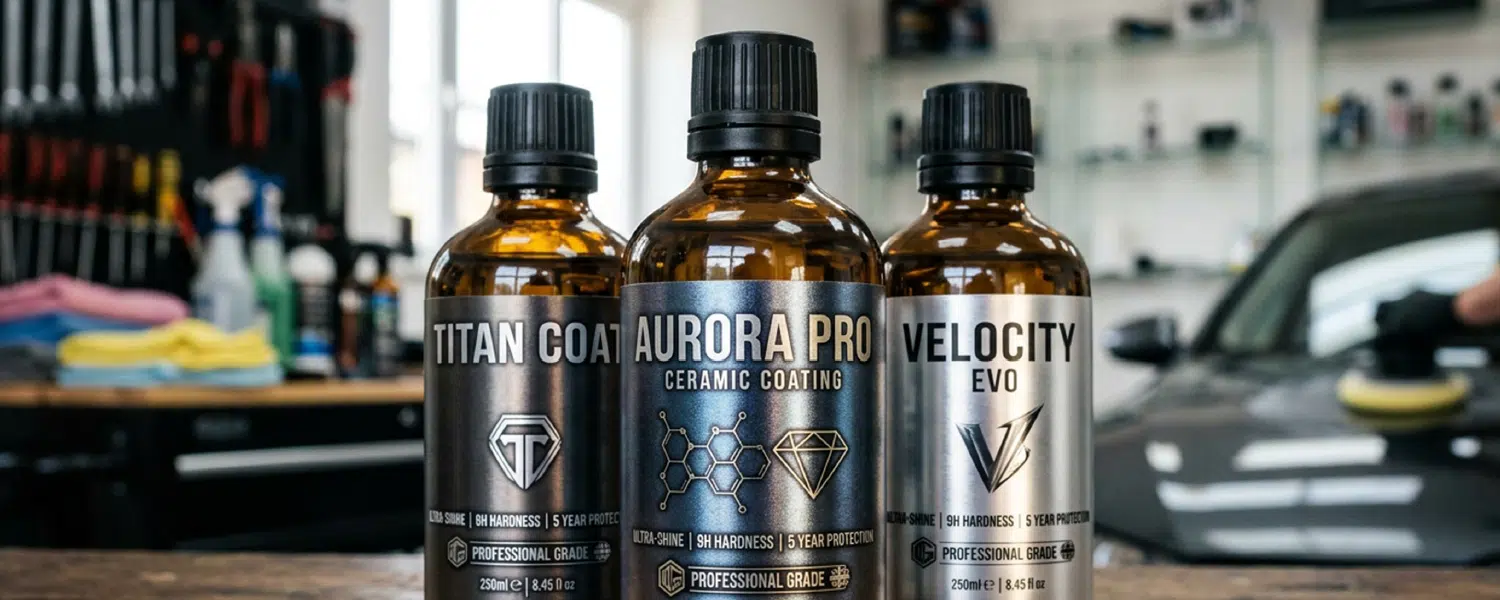
Bringing label printing in-house gives manufacturers greater control over their product presentation. With the latest digital label printers and label materials, manufacturers can produce high-resolution, showroom-quality labels on demand and in quantities matched to each product, brand, or customer.
High-Gloss Labels Help Communicate the Result
Gloss materials can increase the visual impact of colors and photo-quality graphics, helping metallic finishes, reflections, and detailed vehicle images stand out. Clear or metallic label stocks can create an even more distinctive appearance.
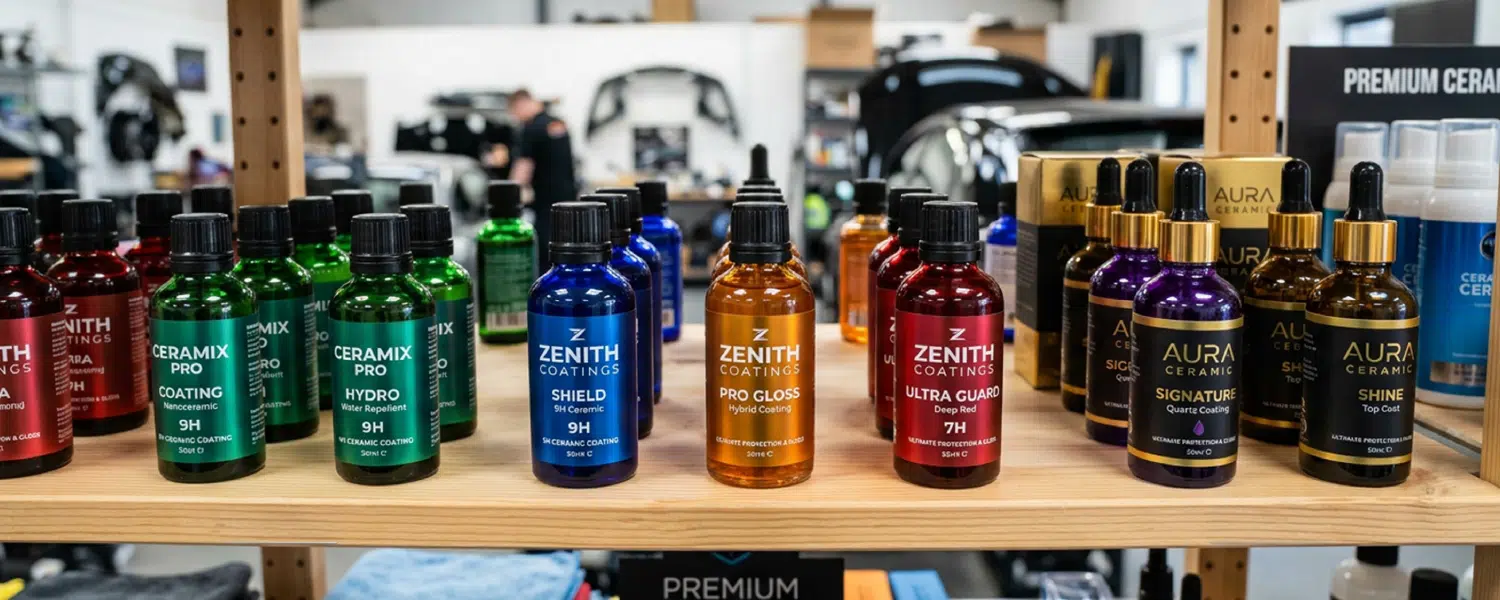
It takes more than gloss alone to make a product look premium. The material, graphics, typography, and product information must work together to create a polished, credible presentation. A well-organized design can also make product benefits, directions, and brand information easier to find and understand.
Private-Label Growth Creates More Label Versions
Many ceramic-coating manufacturers produce similar formulations for multiple customers and brands, including distributors, regional detailers, car washes, and specialty retailers. Each customer may need different branding, container sizes, directions, barcodes, or approved product claims.
That can create a large number of label versions from a relatively small number of products. Outsourcing every version in large quantities can tie up money in inventory and leave manufacturers with unusable labels when artwork, customers, or product information changes.
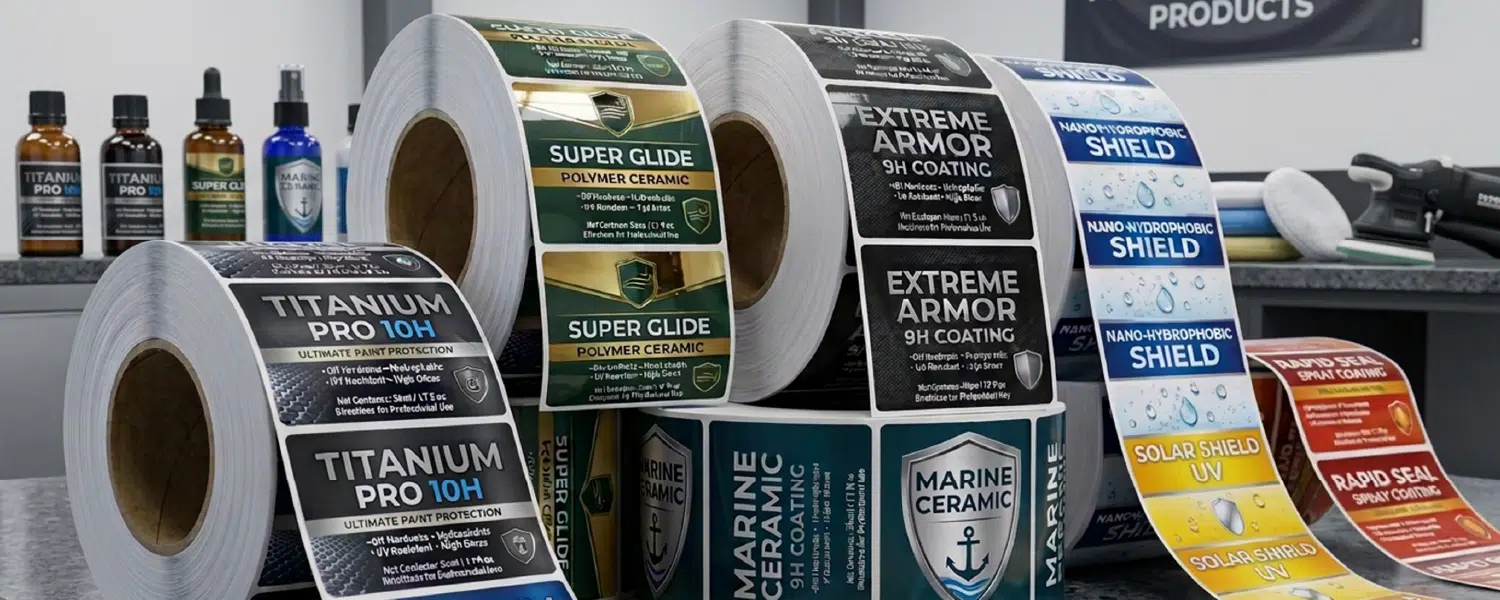
In-house digital printing, supported by advanced design software, gives manufacturers greater control, creativity, and flexibility when developing labels for different products, customers, and applications.
They can reduce the wait for outsourced label orders, print as products are scheduled, produce shorter runs for smaller private-label customers, and update designs as needs change. This makes it easier to offer custom-branded products to regional detailers and car washes without committing to large quantities of outsourced labels.
Manufacturers can also keep initial product runs small, limit excess inventory, and adjust label quantities as demand develops.
In-House Printing Helps Keep Label Content Current
Ceramic-coating labels also need approved safety information, accurate directions, and supportable performance claims. Depending on the formulation and how the product is sold, workplace or consumer chemical-labeling requirements may apply. Consumer-facing chemical products must comply to FHSA (Federal Hazardous Substances Act) rules needing clear cautionary warnings about skin/eye irritation, inhalation risks, and safe storage or first-aid instructions. Professional-grade products used in workplaces require immediate container labeling that aligns with safety data sheet (SDS) guidelines as mandated by OSHA’s Globally Harmonized System (GHS) for hazard communication. Claims about durability, hardness, scratch resistance, chemical resistance, water behavior, or useful life must also be backed by appropriate evidence.
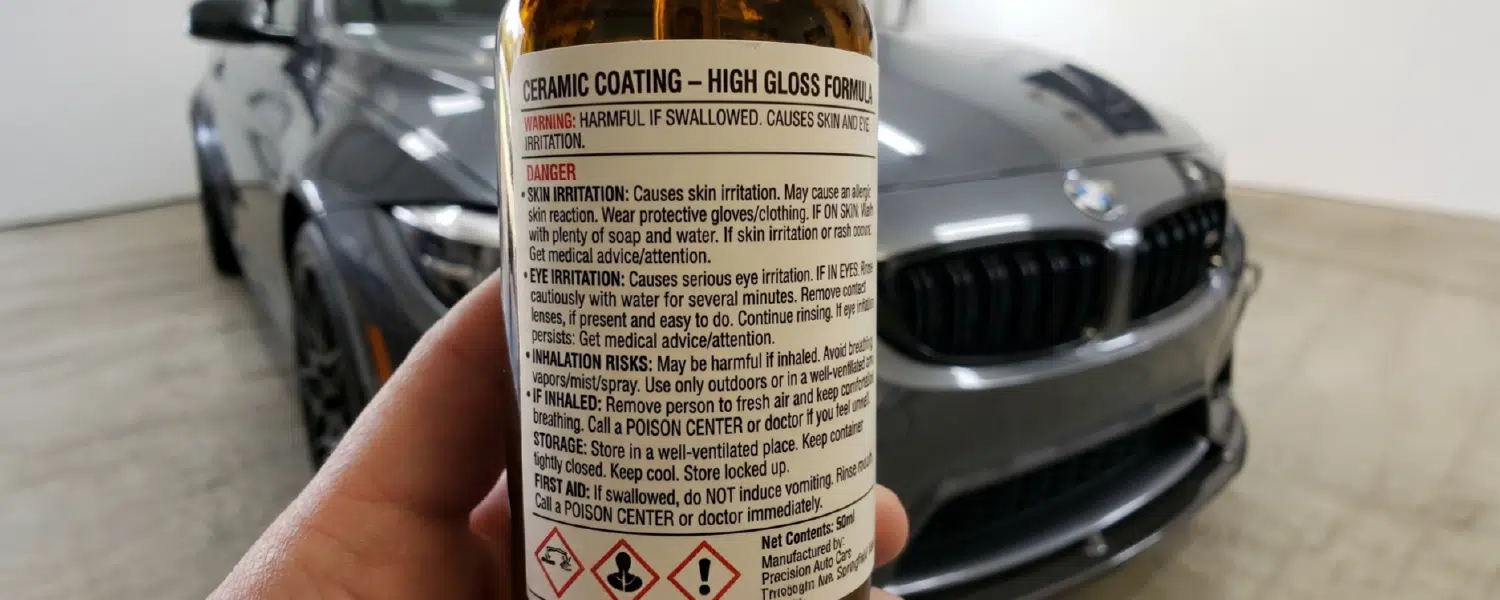
Requirements and approved content can change. For example, EPA extended the compliance date for amended federal VOC requirements for regulated aerosol coating products to January 17, 2027. Not every ceramic coating falls within that rule, but it illustrates why manufacturers need a practical way to update approved label content.
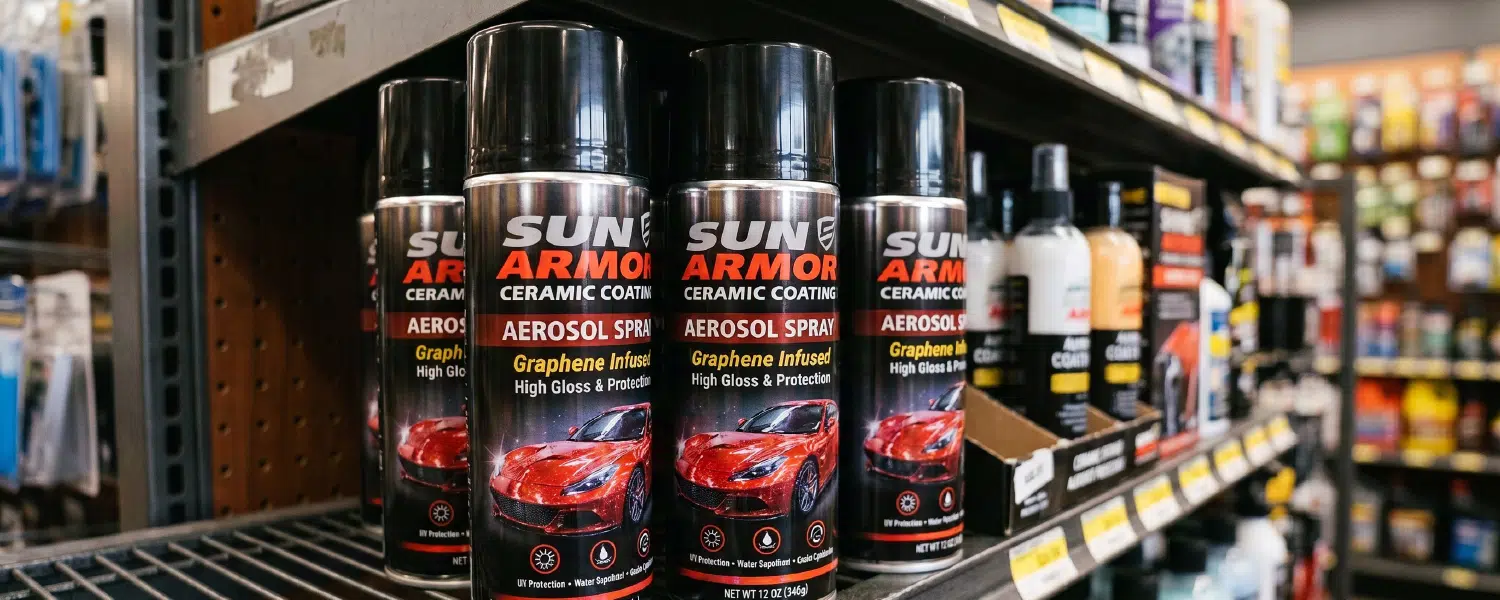
Printing in-house does not make a label compliant. It does, however, let manufacturers move approved warnings, claims, or market-specific changes into production without waiting for a new outsourced print run. They can also retire outdated artwork sooner and reduce obsolete label inventory.
Choose a Label Material That Looks and Performs Well
A premium appearance only works if the label performs on the intended container. High-gloss paper can provide a polished look for less demanding applications. Polypropylene offers gloss with added resistance to moisture and handling, while polyester films—including clear or metallic constructions—may be better suited to more specialized applications.
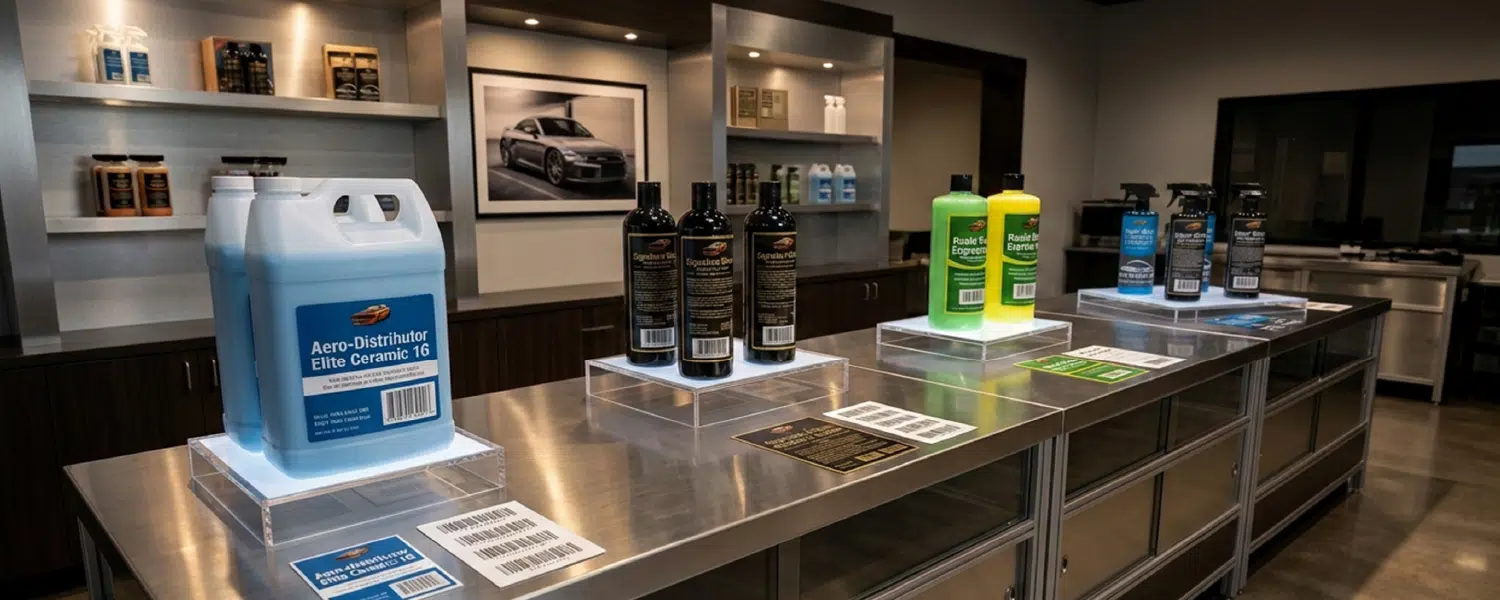
The complete label construction matters. The face material, ink, adhesive, and any coating or laminate must work together under expected conditions. Manufacturers should consider the container surface, application temperature, moisture, chemical contact, abrasion, storage, and handling. For products used around wash bays, detailing areas, and wet vehicles, the complete printed label may also need to resist moisture, splashing, and repeated handling.
Printed samples should always be tested on the actual package. A design that looks strong on screen may reproduce differently on clear, metallic, or high-gloss label materials. In-house printing makes it easier to test and refine labels before production, helping confirm their appearance, legibility, adhesion, and durability.
Match the Printer to the Application
The right printing system depends on label width, production volume, material, required durability, and the number of versions being produced. The QuickLabel QL-120X provides high-resolution full-color printing for a broad range of labels. The toner-based QL-300 adds CMYK+White capability for clear, colored, and specialty materials. For wider labels, the QL-425 and QL-435 are available with dye- or pigment-based ink.
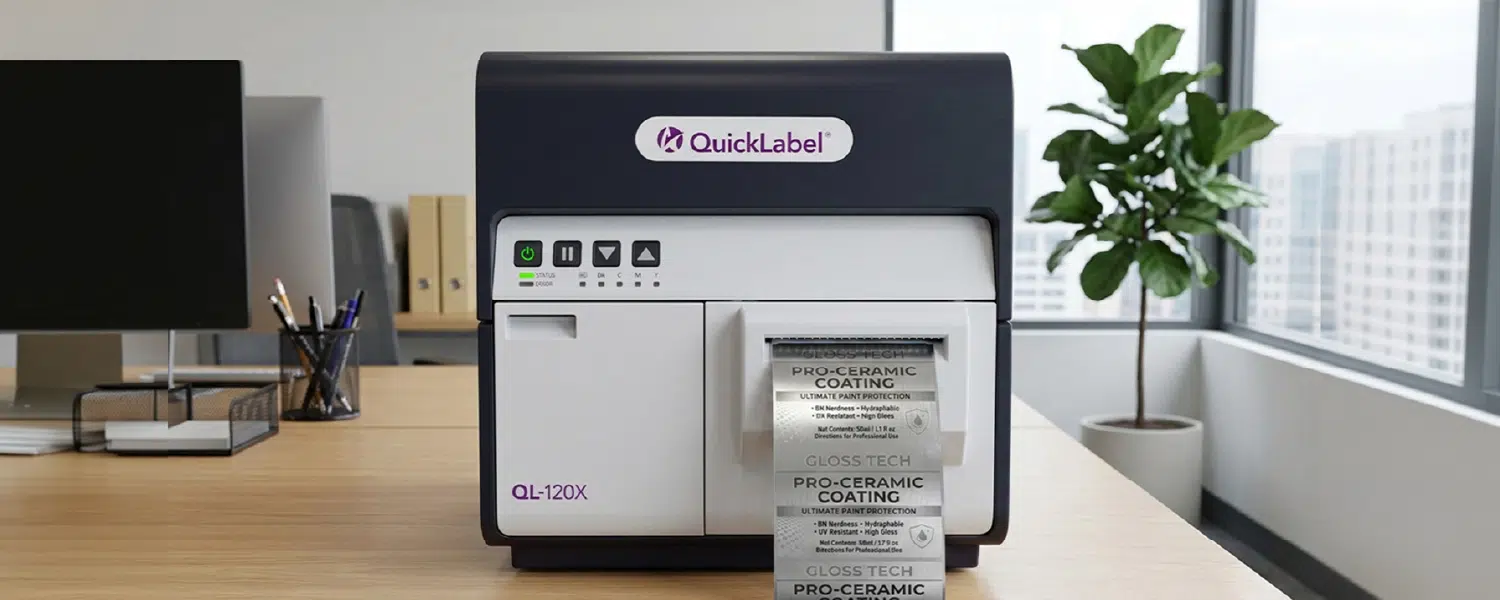
A high-gloss label cannot guarantee how a ceramic coating will perform. But it can present the product as credible, distinctive, and worthy of its premium position. Printing product and packaging labels in-house gives manufacturers greater control over private-label runs, outside lead times, and inventory, all while making it easier to produce the right label when it is needed.
Key Takeaways
- High-gloss labels can visually reinforce the shine, protection, and professional finish buyers expect from premium ceramic coatings.
- Gloss materials can enhance saturated colors, vehicle photography, metallic effects, and other design elements that help a product appear more premium.
- In-house digital printing helps manufacturers produce private-label versions, shorter runs, and updated designs without relying on large outsourced label orders.
- The complete label construction—including the face material, ink, adhesive, coating, and laminate—must suit the package and expected conditions.
- Printed labels should be tested on the actual package to confirm appearance, legibility, adhesion, and durability before production.
Frequently Asked Questions About High-Gloss Ceramic-Coating Labels
Why are high-gloss labels effective for ceramic coatings?
High-gloss labels can reflect the shine and polished finish customers expect from a premium ceramic coating. They can also enhance saturated colors, vehicle photography, metallic effects, and visual contrast, helping the product stand out and communicate quality.
What are the benefits of printing ceramic-coating labels in-house?
In-house printing gives manufacturers greater control over label quantities, private-label versions, production timing, and design changes. It can support shorter runs, reduce waits for outsourced labels, and help limit excess or obsolete inventory.
Which label material is best for ceramic-coating products?
There is no single best label material for every application. High-gloss paper may suit less demanding uses, while polypropylene or polyester films—including clear or metallic constructions—may be more appropriate when added resistance, durability, or a specialized premium appearance is required.
Why should labels be tested on the actual package?
A label may look different when printed on clear, metallic, or high-gloss material than it does on screen. In-house printing makes it easier to test the label on the intended package and confirm its appearance, legibility, adhesion, moisture resistance, and durability.
How does in-house label printing support ceramic-coating label compliance?
A high-gloss label cannot guarantee how a ceramic coating will perform. But it can present the product as credible, distinctive, and worthy of its premium position. Printing ceramic-coating labels in-house gives manufacturers greater control over private-label runs and inventory while reducing dependence on outsourced-printing lead times. It also makes it easier to produce the right label when it is needed.